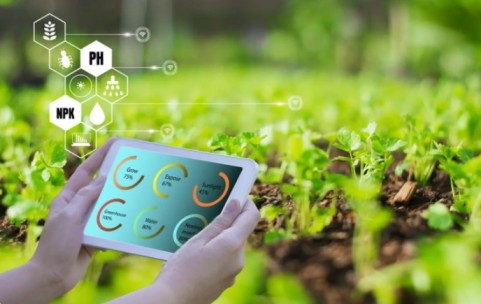
Agriculture historically has been the backbone of economic development, now in our digitally driven world it is transforming more than we could ever imagine. With today’s farmers rapidly adopting new tools and technologies, IoT is poised to transform farming into a connected, data-driven industry. IoT is providing solutions to the agricultural industry by enabling precision farming, so farmers can make smarter decisions about their crop yields, harvests and planting activities. As the likes of Pune Realty has data and technology to develop real estate, so does agriculture have tech-led solutions.
The article examines how IoT is reshaping agriculture, what key technologies are involved, and what it brings to modern farming.
Understanding IoT in Agriculture
The IoT is constituted of devices connected through sensors and communication technologies that collect and analyze data and interconnect for data exchange in real time. In agriculture, IoT devices monitor crops, soil, equipment, weather, and livestock, converting raw data into actionable insights. From soil moisture sensors to automated irrigation systems, IoT technology is making farms smarter, more predictable, and more efficient.
Why IoT Matters in Modern Farming
Traditional approaches to farming are heavily reliant on manual observation and guesswork, with erratic results. IoT-enabled agriculture provides farmers with deeper, more accurate insights that could go a long way in raising productivity.
Here’s why IoT is becoming indispensable in agriculture:
1. Precision and Accuracy
IoT sensors provide very accurate data on soil conditions, crop health, humidity, and temperature. This helps farmers make informed decisions backed by data.
2. Real-time Monitoring
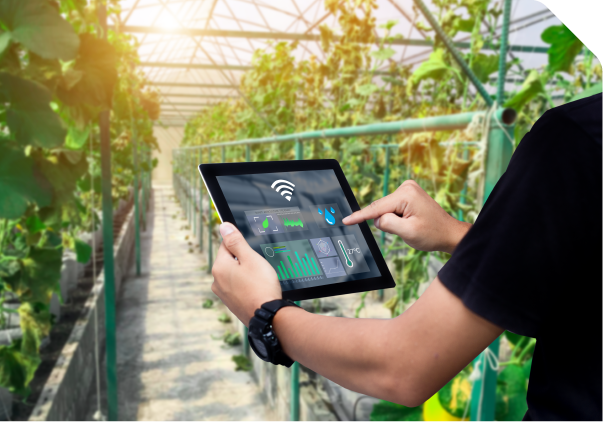
Farmers can track crops and livestock remotely through mobile apps or on dashboards for better time and labor savings.
3. Cost Efficiency
This is attained by the reduction of water usage, chemical inputs, and labor costs.
4. Increased Yields
Smart farming ensures that crops get what they need just when they need it. The result is healthier plants with higher yields.
5. Sustainability
IoT encourages eco-friendly farming by reducing the wastage of resources and supporting climate-smart agriculture.
Major IoT Technologies Transforming Agriculture
To understand how the IoT is driving modern farming, let’s take a look at some of the most impactful technologies:
1. Smart Sensors
Sensors are at the heart of IoT Agriculture. They monitor:
- Soil moisture
- Temperature
- Crop nutrient levels
- Light intensity
- Livestock health
These sensors update in real time to allow farmers to take necessary actions.
2. GPS-Enabled Smart Farming Equipment
GPS-powered tractors and harvesting machines assist in plowing, seeding, and crop monitoring with exceptional precision.
3. Computerised Irrigation Systems
Using data from soil moisture sensors, smart irrigation systems water crops only when required. This prevents over-irrigation and cuts down water bills—especially useful in water-scarce regions.
4. Drones for Monitoring Agriculture
Camera-equipped drones and sensors are employed for the following:
- Crop health analysis
- Aerial mapping
- Spraying fertilizers and pesticides
- Field surveillance
This reduces manual labor and increases the accuracy of crop treatments.
5. Livestock Monitoring Systems
Wearable IoT devices monitor the given health parameters in livestock:
- Body temperature
- Activity level
- Feeding habits
- Disease symptoms
Farmers can identify health issues early and improve livestock management.
6. Supply Chain Tracking
IoT ensures transparency and quality control across the agricultural supply chain. From harvesting to transportation and distribution, every step is traceable.
Realistic Farming Applications of IoT
Smart Irrigation and Water Management
Water is one of the most critical resources in farming. IoT-based irrigation systems adjust water flow based on soil moisture data. This method saves significant water and boosts crop quality.
Soil and Crop Health Monitoring
Sensors help farmers track nutrient deficiency, pest attacks, and disease outbreaks before they become severe.
Greenhouse Automation
IoT automates greenhouse environments by controlling:
- Temperature
- Lighting
- Humidity
- Ventilation
This ensures ideal plant growth conditions year-round.
Precision Farming
Precision agriculture uses IoT to guide decisions on seed planting, fertilization, and pesticide usage. Farmers apply inputs exactly where needed, reducing waste and increasing efficiency.
Livestock Tracking and Management
IoT tags help monitor:
- Locating Animals
- Reproductive cycles
- Stress levels
This reduces labor and enhances breeding effectiveness.
Benefits of IoT in Agriculture
Higher Productivity
The greatest advantage of IoT-enabled farming is increased crop yield through precise monitoring and timely intervention.
Less Waste
IoT minimizes overuse of water, fertilizers, and pesticides, reducing environmental impact.
Improved Labor
Automation reduces the need for manual field inspections and frequent repetitions of tasks.
Effective Management of Diseases and Pests
Early warnings enable farmers to avoid severe crop damage.
Better Supply Chain Efficiency
Real-time tracking ensures freshness, quality, and traceability, benefiting both farmers and consumers.
IoT Adoption Challenges in Agriculture
Despite these benefits, there are also some challenges to IoT adoption:
- High initial investment
- Farmers’ lack of technical knowledge
- Poor internet connectivity in rural areas
- Data privacy concerns
- Need for specialized maintenance
With government support, improved internet connectivity, and increased digital literacy, these challenges are gradually being overcome.
The Future of Smart Farming
The future of agriculture is undeniably digital. IoT, combined with AI, robotics, blockchain, and cloud systems, will revolutionize farming further. Smart villages, agri-tech startups, and data-driven farming models will reshape how food is grown and distributed.
With scalable and adaptable IoT solutions, farmers worldwide will be empowered to grow more food with fewer resources, ensuring food security for future generations.
IoT in agriculture is more than a technological trend—it is a revolution that is redefining farming practices. By improving efficiency, reducing waste, and enabling precision at every stage, IoT is helping farmers achieve higher productivity and long-term sustainability.

2 thoughts on “Agri IoT: Think Smart for Greater Productivity on Farm”