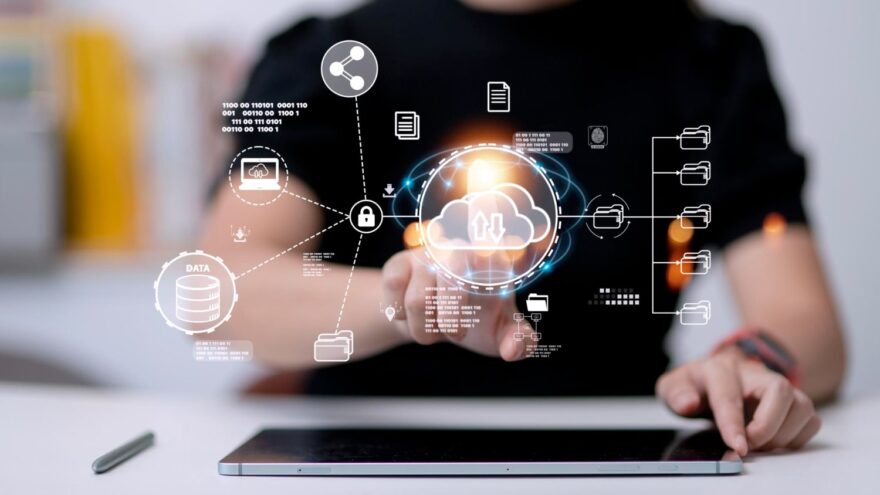
Local business owners rolling out Internet of Things (IoT) adoption, homeowners adding smart devices, and campus teams building connected projects often hit the same wall: everything works until it has to wait on the cloud. When data has to travel out and back for every decision, IoT data latency issues show up as delays, glitches, and gaps in reliability that waste time and erode trust. That cloud vs edge computing impact is why edge computing transformation is moving smart devices toward local processing, so actions can happen closer to where the data is created. The payoff is IoT that behaves like it belongs in the real world.
What Edge Computing Means?
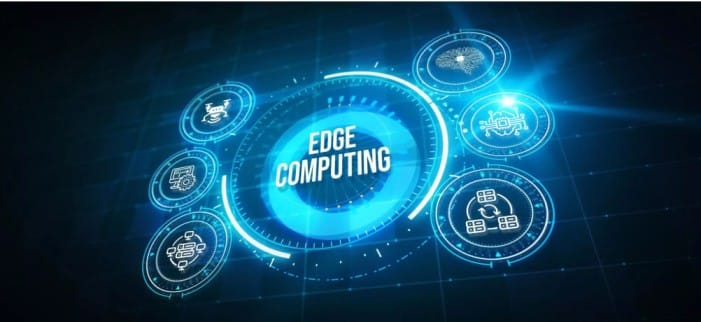
Edge computing is a computing architecture that runs data processing near the device or place where data is created. In a cloud-based IoT setup, devices send data to a faraway data center for decisions, then wait for results. Fog computing and other distributed models sit in between, spreading workloads across nearby gateways, routers, or on-site servers.
Think of a smart door lock or freezer alarm. With capturing and processing data on a hub in your home or store, it can act instantly even if Wi-Fi is unstable. This comparison table makes the benefits and limits tangible for deciding what belongs in the cloud or edge.
Edge vs Cloud: What to Run Where
This table compares common workload placement options so you can match speed, privacy, bandwidth, and uptime needs to the right setup. Since edge computing keeps processing close to where data is generated, it can change what “fast” and “reliable” mean for everyday devices at home, in clinics, and across business operations.
| Option | Benefit | Best For | Consideration |
| On-device processing | Fastest response; works offline | Wearables, locks, safety sensors | Limited CPU, battery, and storage |
| Local hub or gateway edge | Low latency; shared compute for many devices | Stores, smart homes, small clinics | Requires setup, updates, local security |
| On-site micro data center | High throughput; keeps data on premises | Factories, campuses, warehouses | Higher cost; needs IT support |
| Cloud-first processing | Elastic scaling; simpler central management | Non-urgent analytics, model training | Network delays; outage risk; data egress |
| Hybrid edge plus cloud | Balanced speed and big-picture insights | Predictive maintenance, smart retail | More integration and monitoring complexity |
A practical rule is to keep time-critical decisions and sensitive data near the device, then send summaries or batches to the cloud for reporting and long-term learning. If your workflow breaks when the internet stutters, edge or hybrid usually wins. Knowing which option fits best makes your next move clear.
Common Edge Computing Questions, Answered
Q: What are the main advantages of processing IoT data locally using edge computing instead of sending it to the cloud?
A: Local processing can keep sensitive raw data on-site, which often feels more comfortable for privacy and compliance. It also reduces bandwidth costs because you can upload summaries instead of continuous streams. A practical starting step is to decide what must stay local (video, health signals) versus what can be aggregated.
Q: How does edge computing help reduce delays and improve responsiveness for smart devices?
A: Edge computing avoids a round trip to a distant server, so devices can react in milliseconds instead of waiting on internet conditions. That is especially calming for safety and comfort use cases like alarms, access control, or medical alerts. Test it by timing one action end-to-end and comparing local decisioning vs cloud-only.
Q: If I’m overwhelmed by the technical challenges of securing locally processed IoT data, what can I do to gain the knowledge and skills needed to protect these systems effectively?
A: Start with a short checklist you can apply anywhere: asset inventory, least-privilege access, patching cadence, encrypted storage, and centralized logging. Then practice on a small lab setup so mistakes are low-stress, since the scale of exposure is real with 19.8 billion IoT devices already online. If you’re exploring a more formal path, a cybersecurity online degree can complement those habits.
Making Edge-Based IoT Choices That Keep Devices Dependable
Smart devices are expected to respond instantly and stay reliable, yet constant cloud round-trips can add lag and create new failure points. The practical mindset is to treat local vs cloud data processing as a design choice, use the edge when speed, privacy, and uptime matter, and the cloud when scale and central oversight help. Teams that plan this way are better positioned for the edge-based IoT adoption trend and the future of IoT infrastructure without overbuilding. Edge computing keeps decisions close to the device when seconds and stability matter.

2 thoughts on “How Edge Computing Makes Smart Devices Faster and More Reliable”