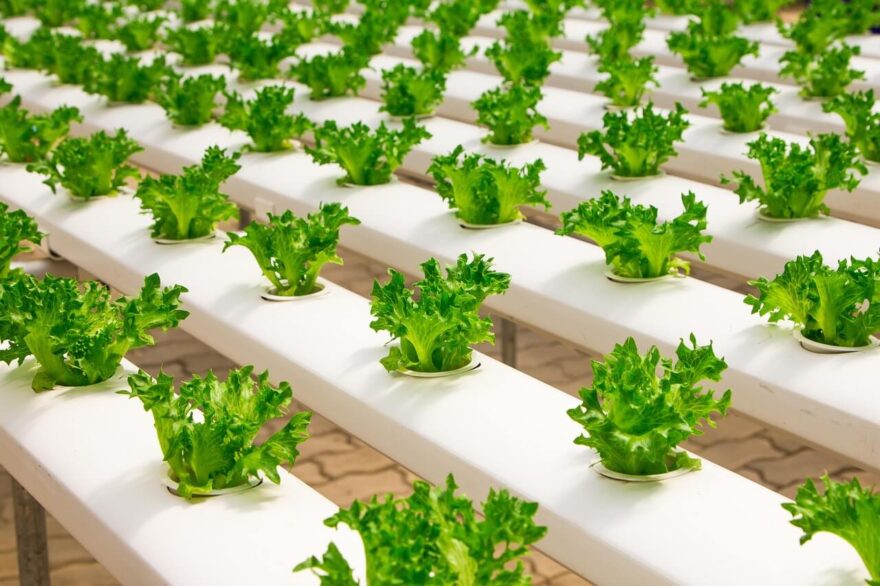
Growing food means more today. It is really about making smarter choices with whatever resources we happen to have lying around. You might notice growers right across Australia looking for practical ways to bump up crop quality while somehow using less water and cutting down on waste. Hydroponic equipment naturally enters the conversation here. It gives people a way to control how things grow without constantly checking the sky to see what the weather is doing. Smart technology seems to be stepping in to help us make better decisions based on real-time information. The end result is often a setup that supports healthy plants while making the daily grind of farm management just a bit easier to handle.
What is Smart Hydroponic Equipment?
Growing plants without soil. That is the basic idea behind hydroponics. Roots sit in water mixed with carefully balanced nutrients instead of dirt. We have known about this for ages. The technology wrapping around it is what looks so different now.
Smart hydroponic equipment basically links traditional growing systems with digital tools that keep an eye on things all day long. Sensors track pH levels and nutrient strength along with water temperature and the general environment. The system might just fix a sudden change itself or perhaps send a quick message to a connected device to let the grower know.
Automation is great. The real benefit, though, is catching tiny issues before they blow up into massive headaches. Creating steadily growing conditions over time means you spend a lot less time doing manual checks.
How Smart Hydroponic Equipment Supports Precision Farming
- Real-Time Monitoring: Things rarely stay the same inside a growing room. Water quality, temperature and humidity can drift around during the day. Smart sensors constantly watch these shifts and throw out updates as they happen. You do not have to wait until plants look sad and stressed before doing something about it.
- Automated Nutrient Management: Plants tend to do their best when nutrients stay perfectly balanced. Smart systems are usually able to handle nutrient delivery with much better accuracy than someone mixing it by hand. Human error drops away, and feeding stays consistent. Those tiny daily improvements often stack up to give you much healthier crops over time.
- Water Efficiency: Saving water is a huge deal across Australia. Most hydroponic systems already recycle a lot of the water they use anyway. Adding smart controls makes the whole setup even more efficient because they only give the plants exactly what they need. Less water vanishes down the drain, and overall efficiency improves without holding back plant growth.
- Remote Farm Management: Checking in from a phone. Many modern systems let you keep tabs on things using mobile devices or cloud-based platforms. They send out alerts if the readings wander too far off track. This gives people a lot of breathing room, especially if they are trying to manage massive growing spaces or totally different locations.
- Better Crop Consistency: Steady conditions generally mean steady crops. Things like temperature and water stay right in the sweet spot for a lot longer. Every crop is a bit different, of course, but keeping that level of tight control usually leads to strong growth and harvests you can actually rely on.
Benefits for Australian Growers
Australia throws a lot of crazy climates at us. We get massive dry stretches in some places while others deal with weather that turns around in five minutes. Smart hydroponic systems might help take the edge off these conditions since the growing area stays nicely tucked away and controlled.
Saving water is an obvious win. Wasting less fertiliser also makes the whole production line run smoother. You might even notice your running costs drop over time because fewer resources end up getting wasted by mistake.
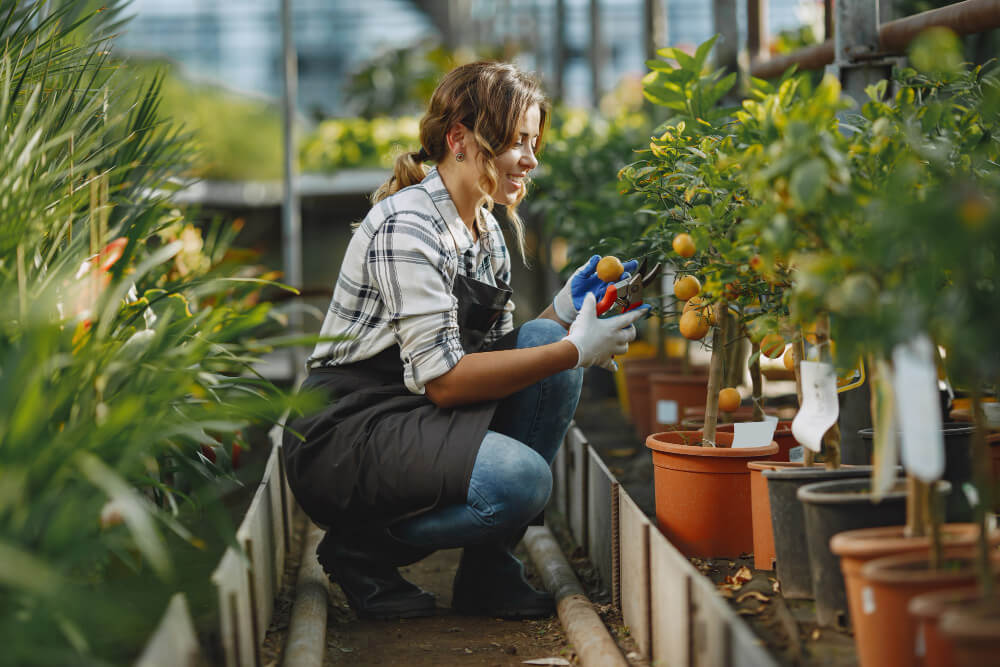
These systems also open the door to growing all year round in greenhouses or other indoor spots. Commercial farms, urban projects and even schools can get a lot out of decent monitoring and automation. When it comes time to scale up, you can often just plug more hydroponic supplies into the setup without having to pull the whole thing apart.
Choosing the Right Smart Hydroponic Equipment
No two farms are exactly alike. A backyard greenhouse is probably not going to need the massive automation you would see in a giant commercial shed. This is why you should probably figure out what you actually want to achieve before buying the gear with the most flashing lights.
Accurate sensors should be right at the top of the list because good data helps you make good decisions. Software that is easy to look at also makes the daily checks a breeze. It might be worth thinking about whether the new system talks to your old equipment and if you can easily upgrade it later on. Technical support and general maintenance are huge factors, too, since you really need the gear to keep working hard all season long.
Conclusion
Smart hydroponic equipment seems to be carving out a permanent place in precision agriculture. It meshes solid monitoring with handy automation so growers can run their crops with way less friction. Having a tighter grip on water and nutrients tends to support much happier plants and leaves less waste sitting around. As the tech gets even smarter, you would expect growers to feel more confident in their daily choices and build farming routines that will hold up for years to come.

1 thought on “The Role of Smart Hydroponic Equipment in Precision Farming”