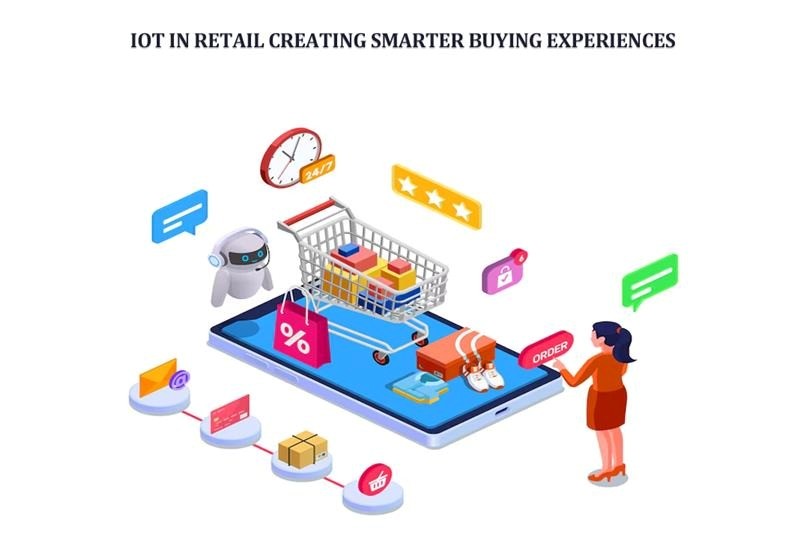
Have you noticed how stores feel different now? Not louder. Not bigger. Just smarter somehow. You walk into a supermarket after work. The products you searched online are sitting right near the entrance. Checkout takes less than a minute. Even the store app knows exactly where your order is. Feels convenient. Almost strange too. That’s the effect of IoT in Retail.
Retail businesses are slowly becoming connected environments where devices talk to each other all the time. Shelves track inventory. Sensors study customer movement. Payment systems process transactions instantly. Most shoppers don’t even notice the technology running in the background.
A few years ago, things were slower. Employees manually checked products. Long checkout lines annoyed everybody. Stores guessed what customers wanted based on old sales reports. Now data moves instantly and stores react faster than before. That’s why IoT in Retail matters so much today.
The idea itself is simple. Devices connected through the internet collect information and share it in real time. Retailers then use that data to improve shopping experiences, manage inventory better, and understand customer behavior more clearly. Honestly, people expect convenience now. Patience is getting shorter every year.
What is IoT in Retail?
At its core, IoT in Retail means using internet connected devices inside stores and retail systems. These devices collect information automatically and communicate with each other without much human effort. Simple idea. Big impact.
Imagine a grocery store on a busy Friday evening. Milk products are selling quickly. Snacks disappear from shelves every few minutes. Employees are already busy helping customers.
Older systems struggled with this situation. Workers manually checked shelves and inventory updates often came late. Now smart shelves can instantly send alerts when stock gets low. That changes everything. Retailers now use technologies like:
- RFID tags for tracking products
- Smart shelves for inventory monitoring
- Sensors for customer movement
- Connected checkout systems
- Smart cameras for shopping analysis
Every device handles a small task. But together they create smoother retail experiences. Customers may not notice these systems directly. They only notice shopping becoming easier.
How Smart Retail Stores Actually Work
A customer enters a clothing store after office hours. Music is playing softly. Employees are folding shirts near the entrance. Everything feels normal. But behind the scenes, connected systems are working constantly.
Sensors monitor busy areas. Cameras track shopping patterns. Inventory systems update stock levels instantly. Employees receive notifications when products need restocking.
This is where IoT in Retail becomes powerful. Stores no longer depend only on employee observation. Connected systems provide real time information all day long. Retailers can understand things like:
- Which products attract attention
- What sections customers avoid
- Which aisles become crowded
- What products sell faster at certain hours
One supermarket noticed customers spent more time near bakery items during rainy evenings. Small detail. But the store adjusted inventory and sales improved. Tiny patterns matter a lot in retail.
Smart Inventory Management Changes Everything
Inventory problems create stress for both stores and customers. Nobody enjoys finding an empty shelf after searching for something specific.
One electronics store noticed customers often complained about missing accessories. Chargers. Earbuds. Phone covers. Small items. The store later installed RFID tracking systems and smart shelves. Inventory accuracy improved almost immediately. This is where IoT in Retail becomes very practical.
| IoT Tool | Retail Purpose |
| RFID Tags | Product tracking |
| Smart Shelves | Stock monitoring |
| Sensors | Customer movement |
| Smart Cameras | Shopping analysis |
| Connected Checkout | Faster payments |
Stores can now monitor inventory levels in real time instead of relying on manual checks every few hours. That changes everything. Less waste. Faster restocking. Better customer satisfaction. Customers notice when products are consistently available.
Faster Checkouts Matter More Than Retailers Realize
People forget store decorations. They forget background music too. But long checkout lines? Nobody forgets those. That frustration stays in peoples minds. Retailers understand this now. Faster checkout systems are becoming one of the biggest investments in modern retail environments. Stores now use:
- Contactless payments
- Mobile checkout systems
- Self service kiosks
- Automated billing technology
Some stores even allow customers to leave without standing in traditional checkout lines. Sensors automatically process purchases in the background. Weird at first. Convenient very quickly.
One customer explained it perfectly after trying automated checkout for the first time. They said the experience felt uncomfortable for a few minutes, then suddenly standing in regular checkout lines felt outdated. That’s how retail habits change now. Very quickly.
Connected Shopping Feels More Personal
Modern customers expect personalized experiences without always asking for them directly. A customer searches for winter boots online late at night. The next afternoon similar products appear inside a nearby retail app. Connected systems linked the information automatically. That’s another reason IoT in Retail keeps expanding. Retail systems collect useful information like:
- Shopping preferences
- Product interests
- Seasonal buying behavior
- Frequently viewed items
- Customer browsing patterns
Retailers use this information to improve recommendations and organize stores more effectively. Even online product displays are changing. Some eCommerce businesses use systems similar to WooCommerce Variations to simplify product choices and help customers navigate options more easily. Small adjustments can influence shopping decisions a lot more than people think.
Customer Behavior is Becoming Easier to Understand
Retailers always wanted a deeper understanding of customer behavior. Before connected technology, most decisions relied heavily on assumptions. Now stores have actual data.
One grocery chain discovered customers avoided a certain aisle every evening after 7 PM. Managers first blamed product placement. Later they discovered poor lighting made the section feel uncomfortable. Simple problem. Hard to notice manually.
That’s the strength of IoT in Retail. Connected systems identify patterns humans often miss completely. Retailers can now study:
- Customer shopping paths
- Busy shopping hours
- Product interaction trends
- High traffic store sections
- Customer browsing behavior
And honestly, people don’t shop logically most of the time. Emotions influence buying decisions constantly. Smart retail systems help businesses understand these behaviors more clearly.
Smart Stores Also Save Energy
This part doesn’t get enough attention honestly. Connected systems also help stores reduce energy waste and operational costs. Smart lighting and climate systems adjust automatically depending on store activity. Retailers can automate:
- Lighting brightness
- Air conditioning systems
- Temperature settings
- Power usage monitoring
One retail chain lowered electricity costs simply by reducing lighting intensity in low traffic areas during late evening hours. Customers barely noticed any difference. Good technology usually works quietly.
Online and Offline Shopping Are Blending Together
Shopping no longer feels separated into online and physical experiences. Customers move between both naturally now. Someone might browse products online during lunch break. Visit the store after work. Complete payment later through a mobile app. Modern retail systems support this behavior easily. With IoT in Retail, customers can:
- Check product availability online
- Reserve products before visiting stores
- Receive pickup notifications
- Track deliveries live
- Use apps for store navigation
The shopping journey feels more connected now. More flexible too. Customers expect convenience everywhere now. Online and offline experiences must work together smoothly.
Challenges Retailers Still Face
Even with all these advantages, connected retail systems still create challenges. Technology always comes with trade offs.
Data Privacy Issues
Customers sometimes feel uncomfortable knowing stores collect behavioral information. Some concerns are fair honestly. Retailers must protect customer data carefully because trust disappears quickly after security problems. Businesses need stronger systems for:
- Data protection
- Customer privacy
- Secure storage
- Cybersecurity management
Trust matters a lot in modern retail.
Setup Costs Can Be Expensive
Small businesses sometimes struggle with installation costs. Smart systems require investment in sensors, software, maintenance, and employee training. Not every retailer can upgrade quickly.
Security Risks Exist
Connected systems create more possible entry points for cyberattacks. Retailers must regularly update systems and strengthen network security. Ignoring security usually becomes expensive later.
Future of IoT in Retail
Retail technology will probably become even more invisible over time. Customers may stop noticing connected systems completely because smart shopping experiences will simply feel normal. Future retail stores may include:
- AI powered shopping systems
- Fully automated checkout
- Voice assisted shopping
- Predictive inventory tracking
- Smarter delivery systems
Some of these systems already exist in early stages. They’re spreading gradually. Honestly, customers adapt fast once convenience improves daily life.
That’s the real reason IoT in Retail continues growing. It saves time. Reduces frustration. Makes shopping feel smoother. Simple things matter most sometimes.
Conclusion
Retail shopping has changed quietly during the last few years. Most people notice the convenience before they notice the technology itself. That convenience is largely driven by IoT in Retail.
Connected systems help stores manage inventory, understand customer behavior, improve checkout experiences, and create more personalized shopping journeys. Some changes are obvious immediately. Others happen silently in the background every single day.
Customers mostly want simple things now. Faster service. Better product availability. Less waiting. Retailers want smarter operations and quicker decision making. IoT systems help both sides meet those expectations. And honestly, connected shopping experiences will probably become far more common from here.
FAQs
What does IoT mean in retail?
It refers to connected devices and smart systems retailers use to improve operations, inventory management, and shopping experiences.
How does IoT improve shopping experiences?
It helps stores reduce waiting times, improve inventory accuracy, and create more personalized shopping experiences.
What are common IoT devices in retail?
Smart shelves, RFID tags, sensors, automated checkout systems, and connected payment devices are common examples.
Is IoT only useful for large retailers?
No. Small and medium sized businesses can also benefit depending on their budget and operational needs.
What is the biggest challenge of IoT in Retail?
Data privacy and cybersecurity remain major concerns for many retailers and customers.

1 thought on “IoT in Retail: Smarter Shopping Experiences”