
Tiny Text Guide to the Future of IoT Technology
The Internet of Things (IoT) is a technology that has crept into the contemporary world as one of the most powerful ones. IoT can be found everywhere in smart homes and wearable devices, factories with built-in brains and smart cities. With the development of technology, the future of the IoT has been even more integrated into our lives, business, and international infrastructure. This guide will make the world of IoT less complicated and will describe the direction of this potent technology.
Introduction to IoT in Strauss Words
IoT is a term that is used to describe a network of tangible objects, i.e. devices, machines, cars and sensors, which are connected to the internet and can gather, distribute as well as take action on information. These machines are able to communicate between themselves without the need of human presence.
An example of IoT at work is a smart thermostat regulating the room temperature or a bracelet device counting the heart rate during a workout. The future of the IoT will be to make these connections more fast, intelligent and secure and increase their application in industries.
The Growth of Smart Devices
The massive increase of smart devices is one of the largest trends makers of the future of the IoT. Houses are becoming smarter with smart lights, voice aids, security cameras, and energy efficient appliances. These devices will be able not only to react to the commands but also to anticipate the needs of the user with the help of artificial intelligence in the following years.
On the example, smart homes of the future can automatically regulate lighting, temperature, and security depending on the daily behavior, weather conditions, and individual preferences. The IoT devices will be able to interact with each other in a manner that will make the system appear natural and not robotic.
IoT and Artificial Intelligence Integration
Artificial intelligence (AI) and machine learning have a close relationship with the future of IoT. IoT devices produce enormous volumes of information and it is AI which assists in analyzing this information to make intelligent decisions. Such a combination will result in smarter systems that can learn by observing patterns and get better with time.
In manufacturing and other sectors, AI-driven IoT systems are able to predict machine breakdown even before they occur, saving on time and maintenance costs. Wearable IoT computers that are used in healthcare coupled with artificial intelligence can help predict the signs of a disease at its initial stage and inform healthcare professionals in real time.
Edge Computing and More Decision-Making
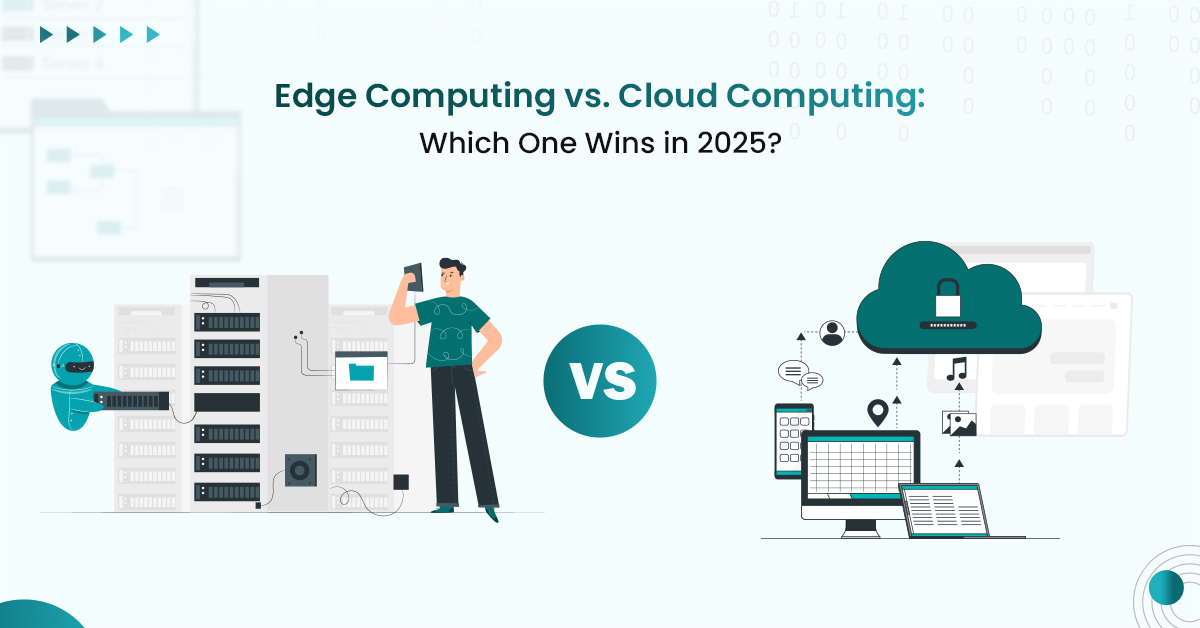
With the increase in IoT networks, it will be inefficient to transfer all the data to centralized cloud servers. This is where edge computing is the key to the future of the IoT. Data processing located nearer to the source is accomplished by edge computing, minimizing latency and response time.
The real-time decision-making is essential in such applications as autonomous vehicles, smart traffic systems, and industrial automation. Edge computing enables IoT devices to perform actions in real time without the need to wait until the cloud processes the request, and makes systems quicker and more trustworthy.
IoT in Wellness and Healthcare
The healthcare sector is among the most attractive fields for IoT innovations. It is expected that in the future, the connected medical devices will be used more in terms of remote patient monitoring, chronic disease management, and elderly care. Wearables which are supported by IoT can constantly monitor vital signs that include the heart rate, blood pressure, and oxygen.
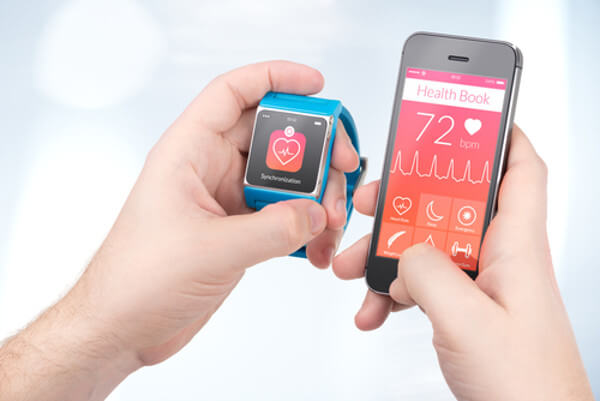
This immediate information enables physicians to engage in personalized care and early intervention and minimize hospitalization and healthcare expenses. With the help of telemedicine and the IoT, high-quality healthcare will become more available, particularly in remote or underserved locations.
Urban development and Smart Cities
Smart cities are one of the biggest applications of IoT technology in the future. IoT is already being used by government and urban planners to enhance traffic control, waste collection, energy consumption, and city safety. The cities will be even more integrated in the future.
Sensors (IoT) have an opportunity to track air quality, manage the street lights at such a rate that the traffic flow is taken into account, and to optimize the routes of the public transport. Not only do these innovations cut costs but they also enhance life and sustainability of the environment.
Industrial Automation and IoT
Factories and supply chains are changing because of the Industrial Internet of Things (IIoT). Connected machines will in future liaise with one another to ensure production of goods is optimized automatically. This results in increased efficiency, less errors, and quality of products.
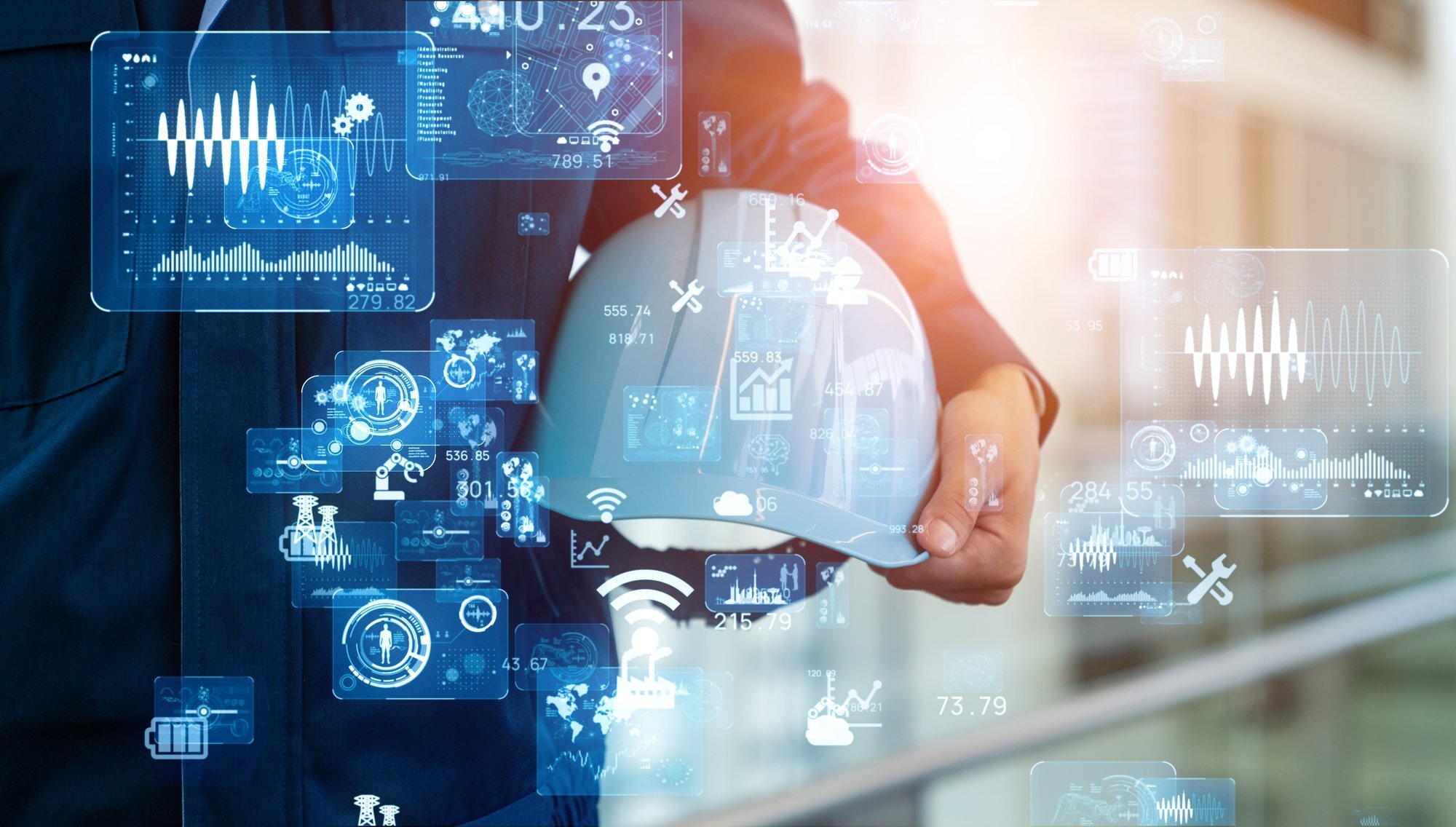
The IoT-powered smart factories will be driven by predictive maintenance, automated inventory, and real-time analytics to remain competitive. Another benefit of IIoT that businesses can achieve by embracing it early is a great benefit in productivity and cost reduction.
Security and Privacy Issues
Security is one of the largest issues as the IoT grows. Billions of connected devices mean that it is important to protect data and ward off cyberattacks. To get the IoT to the next level, it will need increased encryption, more effective authentication, and frequent security patches.
The manufacturers and developers should focus on securing by design where they make sure that the devices are secured at the outset. Stricter regulations will also be implemented to protect the privacy and data integrity of the users by the governments and organizations.
Sustainability and Energy Efficiency
The IoT technology is important in the development of a more sustainable future. The use of smart energy can track consumption and minimize waste and more effectively incorporate renewable energy sources. Agriculture based on IoT can help to optimize the use of water, monitor soil conditions, and grow crops.
With the increasing climate issues, IoT will allow industries and individuals to make data-driven decisions that create a less harmful impact on the environment and enable sustainability.
The Future of IoT Technology
IoT technology is transformative and dynamic in the future. The 5G connectivity and further network technologies will make IoT devices quicker, more stable, and prevalent. IoT will transform the way we live and work combined with AI, edge computing, and enhanced security.
As demonstrated in this Tiny Text Generator Guide, IoT is not merely about smart gadgets it is about making systems smart in a way that enhances efficiency, safety, health, and sustainability. Those businesses, governments and individuals that learn and embrace IoT early will be in a more informed state to enjoy connected future.